
Introduction
Choosing the right welding process for flexible thermoplastic materials requires more than looking at the material name. PVC, TPU, and PU can all be used in flexible plastic products, but their physical and chemical properties can differ significantly. These differences affect how materials respond to heat, pressure, high frequency energy, and other welding technologies.
For manufacturers producing inflatable products, flexible packaging, synthetic leather, medical products, protective covers, and industrial films, understanding material behavior is essential for developing a stable welding process.
This guide compares PVC, TPU, and PU from a plastic welding perspective and explains how material properties can affect welding performance, equipment selection, tooling, and process control.
Why Material Properties Matter in Plastic Welding
A plastic welding process works by bringing compatible material surfaces into a condition where they can fuse together.
The way this happens depends on properties such as:
-
Chemical composition
-
Melting or softening behavior
-
Dielectric characteristics
-
Material thickness
-
Hardness
-
Flexibility
-
Surface treatment
-
Additives and formulation
Two materials may look similar but require different welding conditions.
Even materials within the same material family can behave differently depending on their grade and formulation.
For this reason, manufacturers should test the actual production material before finalizing a welding process.
PVC Welding
What Is PVC?
PVC, or polyvinyl chloride, is one of the most widely used thermoplastics for flexible products and industrial applications.
Depending on its formulation, PVC can be manufactured as flexible or rigid material.
Flexible PVC is commonly used for:
-
Packaging films
-
Inflatable products
-
Tarpaulins
-
Synthetic leather
-
Bags
-
Protective covers
-
Advertising products
PVC is also widely used in high frequency welding because suitable PVC formulations can respond effectively to electromagnetic energy.
How PVC Behaves During Welding
The welding behavior of PVC depends on factors such as:
-
Plasticizer content
-
Material thickness
-
Surface coating
-
Formulation
-
Temperature
-
Welding energy
During high frequency welding, suitable PVC materials can be heated internally by an electromagnetic field.
When the material reaches an appropriate welding condition, pressure allows the layers to fuse.
Common PVC Welding Methods
Depending on the product, PVC may be joined using:
-
High frequency welding
-
Hot air welding
-
Hot plate or thermal welding
-
Adhesive bonding
-
Ultrasonic welding for suitable designs
For flexible PVC films and coated materials, high frequency welding is often an attractive option.
TPU Welding
What Is TPU?
TPU stands for thermoplastic polyurethane.
It combines properties associated with plastics and elastomers, providing a useful balance of:
-
Flexibility
-
Abrasion resistance
-
Tear resistance
-
Mechanical strength
-
Elasticity
TPU is used in:
-
Flexible films
-
Inflatable products
-
Medical products
-
Outdoor equipment
-
Protective covers
-
Technical components
How TPU Behaves During Welding
TPU can be welded using several technologies depending on its grade and product structure.
Its welding behavior is influenced by:
-
TPU formulation
-
Hardness
-
Thickness
-
Surface treatment
-
Product geometry
-
Welding temperature
Certain TPU materials are suitable for high frequency welding, while other applications may benefit from thermal or ultrasonic processes.
Therefore, manufacturers should test the specific TPU film or component rather than assuming that all TPU products will behave identically.
PU Welding
What Is PU?
PU, or polyurethane, refers to a broad family of materials with a wide range of properties.
Polyurethane materials can be used in:
-
Synthetic leather
-
Coated fabrics
-
Flexible products
-
Industrial materials
-
Protective surfaces
However, "PU" can describe different material systems, and their welding behavior can vary considerably.
This makes material identification especially important before selecting a welding method.
How PU Behaves During Welding
The suitability of PU for a particular welding technology depends on the exact material formulation.
Manufacturers should consider:
-
Whether the material is thermoplastic
-
Softening behavior
-
Surface coating
-
Thickness
-
Mechanical properties
-
Welding requirements
Not every PU material should be treated as automatically suitable for high frequency welding.
Actual sample testing is the safest way to determine the appropriate process.
PVC vs TPU vs PU for Welding
| Factor | PVC | TPU | PU |
|---|---|---|---|
| Flexibility | High for flexible grades | High | Varies |
| High Frequency Welding | Common for suitable grades | Possible for suitable grades | Depends on material type |
| Abrasion Resistance | Moderate | High | Varies |
| Common Applications | Packaging, inflatable products, synthetic leather | Films, medical, outdoor products | Synthetic leather, coated materials |
| Material Variation | Formulation-dependent | Grade-dependent | Highly formulation-dependent |
| Process Testing | Recommended | Essential | Essential |
The table provides general guidance. Actual weldability depends on the specific material grade and product structure.
PVC Welding vs TPU Welding
Although both materials can be used in flexible products, their process behavior can differ.
PVC
PVC is commonly selected when manufacturers need:
-
Cost-effective flexible films
-
High frequency welding
-
Good processability
-
Wide availability
Common applications include:
-
PVC packaging
-
Inflatable products
-
Tarpaulins
-
Synthetic leather
TPU
TPU may be selected when manufacturers require:
-
Higher abrasion resistance
-
Greater flexibility
-
Strong mechanical performance
-
Certain specialized applications
Common applications include:
-
Technical films
-
Medical products
-
Outdoor products
-
High-performance inflatable products
The material choice should be based on the product's performance requirements rather than welding considerations alone.
How Material Thickness Affects Welding
Material thickness can significantly affect welding conditions.
Thin Materials
Thin films can heat rapidly and may be more sensitive to excessive energy.
Potential problems include:
-
Burn marks
-
Deformation
-
Overheating
-
Weakness around the weld
Thick Materials
Thicker materials may require more carefully controlled energy and pressure.
Potential problems include:
-
Incomplete bonding
-
Insufficient heat penetration
-
Uneven welding
The correct process should be developed through testing.
How Surface Treatment Affects Welding
Surface coatings can influence the welding process.
For example, materials may include:
-
Protective coatings
-
Decorative layers
-
Laminated structures
-
Printed surfaces
A coating between the welding layers may prevent proper material contact or change how energy is transferred.
Manufacturers should therefore provide complete information about the material structure when requesting equipment recommendations.
How Product Geometry Affects Welding
The same material can require different welding processes depending on product geometry.
A flat sheet may be relatively simple to weld.
A complex product may contain:
-
Curved seams
-
Corners
-
Multiple layers
-
Reinforced areas
-
Different material thicknesses
These features can affect:
-
Pressure distribution
-
Electrode contact
-
Heat distribution
-
Welding strength
Tooling should be designed according to the actual product.
Choosing a Welding Technology for PVC, TPU, and PU
High Frequency Welding
High frequency welding can be suitable for compatible flexible thermoplastic materials, especially applications requiring:
-
Continuous seams
-
Airtight sealing
-
Liquid-tight sealing
-
Decorative welding
-
Repetitive production
It is commonly associated with PVC welding and can also be considered for suitable TPU materials.
Ultrasonic Welding
Ultrasonic welding is often more suitable for:
-
Rigid plastic components
-
Small localized joints
-
Injection-molded parts
-
Precision assemblies
Its suitability for a specific material depends on the material grade and product joint design.
Thermal Welding
Thermal methods can be used when high frequency or ultrasonic welding is not appropriate.
Depending on the product, technologies may include:
-
Hot air welding
-
Hot plate welding
-
Heat sealing
These methods may be suitable for certain films, sheets, and larger components.
How to Develop the Right Welding Process
Manufacturers should avoid choosing welding parameters based only on general material recommendations.
A practical development process includes:
Step 1: Identify the Exact Material
Record:
-
Material type
-
Grade
-
Thickness
-
Supplier
-
Surface treatment
Step 2: Define Product Requirements
Determine:
-
Welding area
-
Required strength
-
Airtightness
-
Liquid resistance
-
Appearance requirements
Step 3: Select Candidate Welding Technologies
Depending on the application, evaluate:
-
High frequency welding
-
Ultrasonic welding
-
Thermal welding
Step 4: Conduct Sample Testing
Use actual production material and representative product structures.
Evaluate:
-
Welding strength
-
Appearance
-
Sealing performance
-
Material deformation
Step 5: Optimize Parameters
Adjust relevant process parameters systematically.
These may include:
-
Power
-
Welding time
-
Pressure
-
Cooling
-
Tooling configuration
Common Welding Problems Caused by Material Variation
Weak Welds
Possible causes include:
-
Material formulation changes
-
Insufficient energy
-
Incompatible material combination
-
Surface contamination
Burn Marks
Possible causes include:
-
Excessive energy
-
Excessive welding time
-
Material too thin
-
Poor tooling design
Uneven Welding
Possible causes include:
-
Material thickness variation
-
Uneven pressure
-
Electrode alignment problems
-
Product positioning issues
Inconsistent Production Results
Possible causes include:
-
Different material batches
-
Machine instability
-
Changing material suppliers
-
Uncontrolled process parameters
Material control is therefore an important part of welding quality management.
How to Choose a Plastic Welding Machine for Different Materials
When purchasing equipment for PVC, TPU, or PU products, manufacturers should provide the machine supplier with detailed information.
Important information includes:
Material
-
Exact material type
-
Grade
-
Thickness
-
Layer structure
-
Surface coating
Product
-
Dimensions
-
Welding pattern
-
Product drawings
-
Required sealing performance
Production
-
Target output
-
Working hours
-
Desired automation level
This information allows equipment engineers to determine whether a high frequency welding machine, ultrasonic machine, thermal welding system, or customized solution is more appropriate.
Why Choose Chenghao for Material-Specific Welding Solutions?
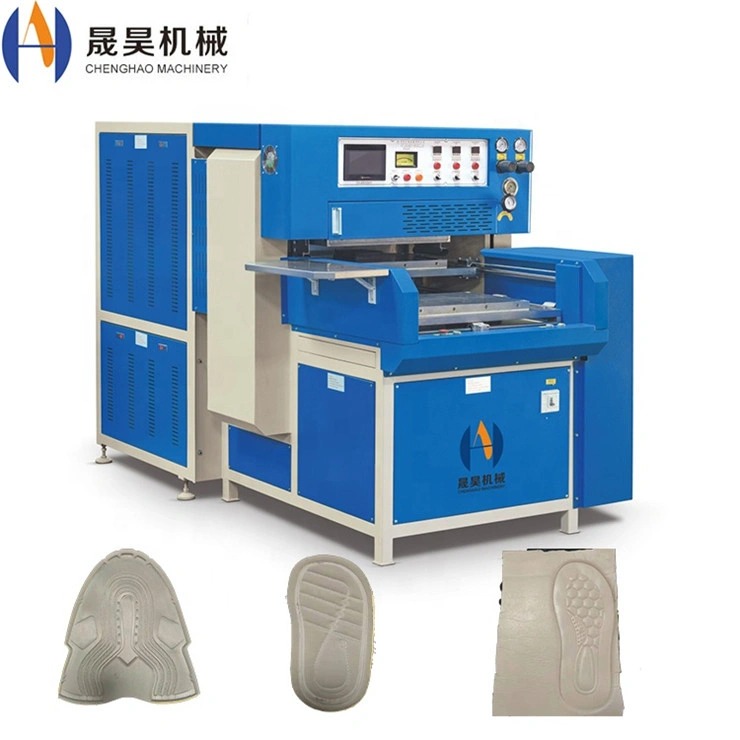
Chenghao Machinery provides plastic welding and customized equipment solutions for different industrial applications.
Its equipment portfolio includes:
-
Plastic welding machines
-
Ultrasonic machines
For PVC, TPU, and other compatible materials, Chenghao can evaluate the material characteristics, product design, welding requirements, and production volume to develop an appropriate solution.
Sample testing and customized tooling can be considered when standard machine configurations are not sufficient.
Conclusion
PVC, TPU, and PU are not interchangeable from a welding perspective. Their material properties, formulations, thicknesses, and surface structures can significantly affect welding performance.
For manufacturers, the most important considerations are:
-
Identify the exact material grade
-
Understand material thickness and structure
-
Evaluate surface treatments
-
Define the required welding performance
-
Select an appropriate welding technology
-
Test the actual production material
-
Optimize machine parameters
-
Develop suitable tooling
High frequency welding can be an effective solution for suitable PVC and TPU applications, while ultrasonic or thermal technologies may be more appropriate for other product structures.
The best welding solution is determined by the complete combination of material, product design, welding requirements, and production conditions.
Contact Chenghao Machinery to discuss your PVC, TPU, or PU welding requirements and develop a customized plastic welding solution for your application.